
Tag: teaching
-
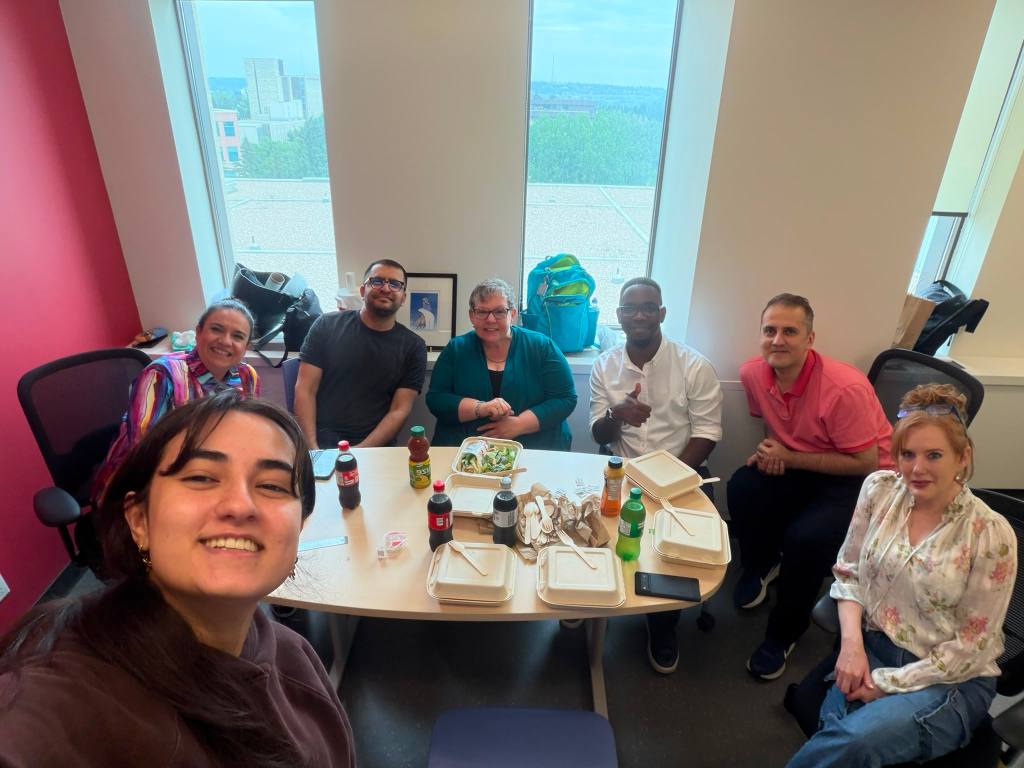
Undergraduate Science Students’ Perspectives on Inclusive and Ethical Generative AI in University Assessment
by Sarah Khalifa and Sarah Elaine Eaton Introduction In this blog post we report on a student-led project funded by the University of Calgary’s UREX Summer program, formerly known as the Program for Undergraduate Research Experience (PURE). Sarah Khalifa, a fourth-year Science undergraduate student, conducted the research supervised by Dr. Eaton. Generative artificial intelligence (GenAI) is…
-

Postplagiarism, Now Available in Prescription Strength
Weaver Shaw describes her experience using AI-enabled glasses that provide real-time translation and other functionalities, which challenge traditional boundaries of communication and responsibility. This new technology facilitates multilingual interactions but raises ethical questions about privacy, oversight, and authorship in educational contexts, emphasizing the need for an evolved understanding of engagement and creativity in a technology-driven…
-
Postplagiarism Research Lab Member Iryna Pavlova Discusses AI and Academic Integrity on The Mike Smyth Show
Artificial intelligence (AI) continues to reshape higher education, raising new questions about academic integrity, assessment, and student learning. These issues were the focus of a recent episode of The Mike Smyth Show, where Postplagiarism Research Lab member Iryna Pavlova, a doctoral student specializing in academic integrity and AI, shared her perspectives on the evolving role of AI…
-
Hebrew translation of the Six Tenets of Postplagiarism
The Postplagiarism Research Lab is pleased to announce the release of the Hebrew translation of the Six Tenets of Postplagiarism infographic (Eaton, 2023). This milestone reflects the growing international interest in the postplagiarism framework and expands its accessibility to educators, researchers, and policymakers in Israel and Hebrew-speaking communities around the world. The original Six Tenets…
-
Postplagiarism Research Lab Member Dr. Rahul Kumar Featured in CBC on AI and Academic Integrity
Recently, Postplagiarism Research Lab member Dr. Rahul Kumar, Associate Professor of Education at Brock University, was invited to share his perspectives in a CBC News article examining growing concerns about students using generative AI in post-secondary education. The article, “A U.S. prof suspects most of his students used AI to cheat. It’s a growing concern here,…
-

Teacher-Free AI School to Open in Chicago
The launch of an AI-driven, teacher-light school in Chicago reflects a shift towards personalized education using technology. While AI can enhance learning outcomes and access, it raises concerns about the human aspects of teaching, equity, and the development of critical thinking. Balancing AI’s potential benefits with these challenges is essential for meaningful education.
-

Creative Communication for Academic Integrity in Postplagiarism Era
Gengyan Tang reflects on Bibek Dahal’s lecture about academic integrity amidst generative AI advancements, highlighting the need for creative communication as a potential solution to polarized discussions. Dahal’s focus on international students illustrates the transitional challenges faced by academia. Promoting communicative rationality is essential for fostering understanding in this evolving landscape.
-
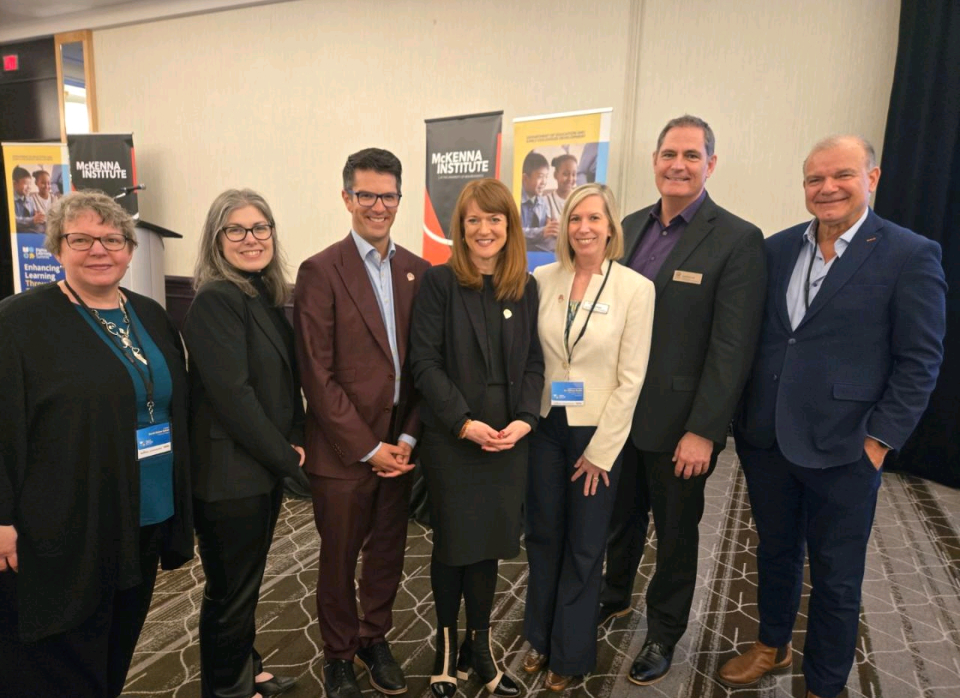
AI, Postplagiarism and K-12 Education in New Brunswick, Canada
Sarah Elaine Eaton participated in leadership events in New Brunswick focused on integrating artificial intelligence in education. She delivered a workshop and keynote on academic integrity and postplagiarism, emphasizing their relevance to provincial strategies. New Brunswick aims to incorporate AI into K-12 curricula by September 2026, enhancing AI literacy across the education sector.
-
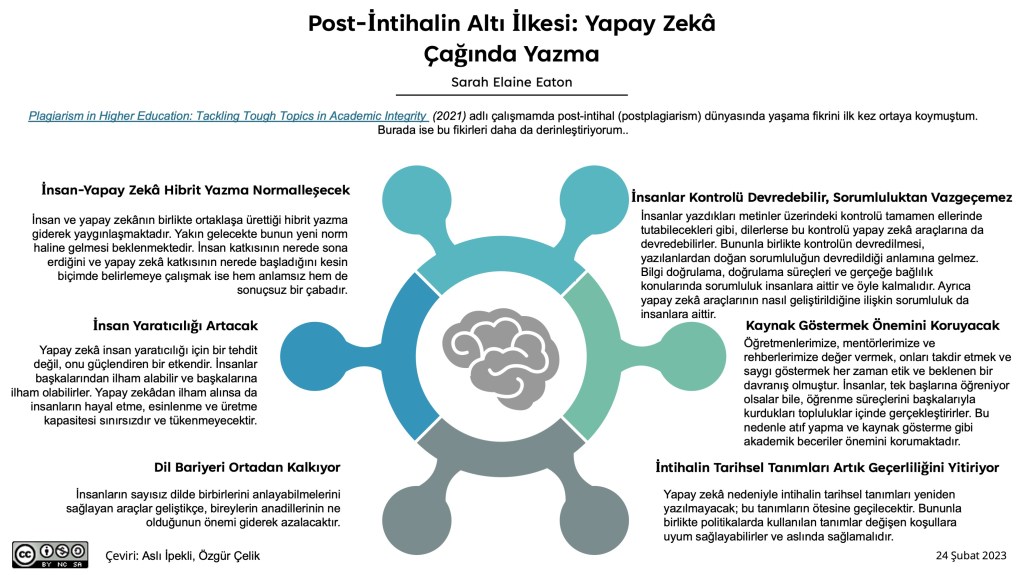
Turkish Translation of the Six Tenets of Postplagiarism
Sarah Elaine Eaton discusses the successful translation of her postplagiarism concepts into Turkish by scholars Aslı İpekli and Özgür Çelik. Their expertise in academic integrity and multilingual contexts enhances the accessibility of the six tenets, promoting dialogue among educators and students. The translated infographic is available as a free downloadable digital resource.
-

The SETA Framework: Rethinking Academic Integrity in the Postplagiarism Era
On March 4, 2026, Dr. Ruth Baker-Gardner discussed the SETA Framework for academic integrity in a world influenced by AI at the Postplagiarism Speaker Series. She emphasized that education, rather than punishment, fosters integrity and outlined support, education, teaching, and assessment as key framework elements. Institutions must adapt policies to ensure effective learning and ethical…
 Postplagiarism