
Recently, Postplagiarism Research Lab member Dr. Rahul Kumar, Associate Professor of Education at Brock University, was invited to share his perspectives in a CBC News article examining growing concerns about students using generative AI in post-secondary education. The article, “A U.S. prof suspects most of his students used AI to cheat. It’s a growing concern here, too,” explores how Canadian institutions are responding to the rapid adoption of AI tools by students.
You can read the full CBC article here: https://www.cbc.ca/news/canada/ai-cheating-postsecondary-9.7269674
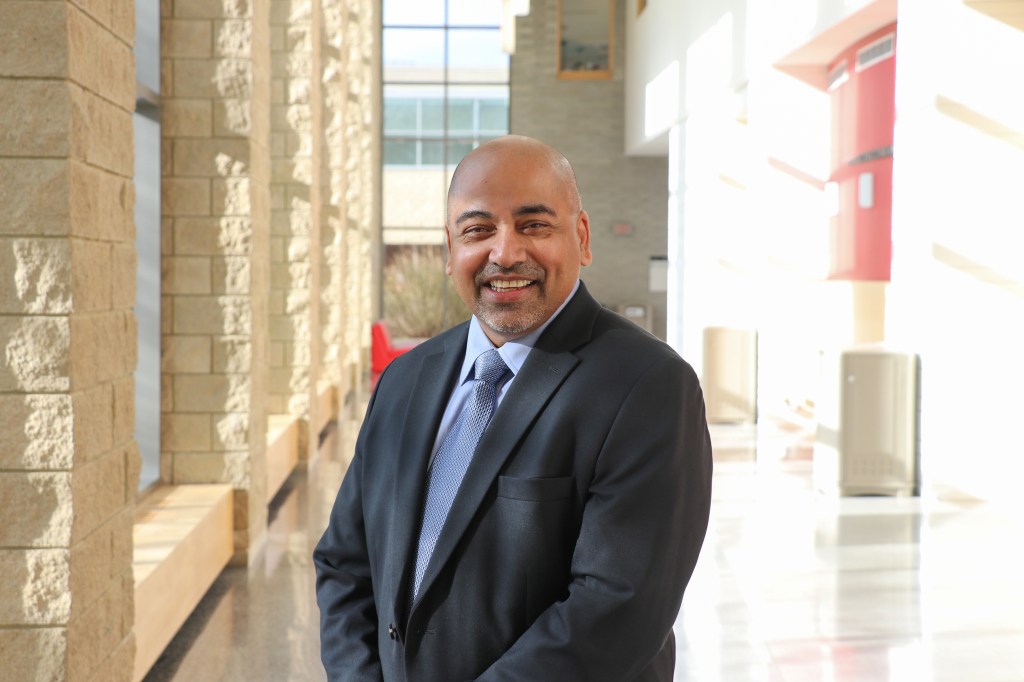
Dr. Kumar explains that students who engage in academic misconduct are often influenced by a combination of pressure, opportunity, and rationalization. The increasing availability of generative AI, he notes, can make it easier for students to justify taking shortcuts, particularly when they see others doing the same or face demanding assessments.
Rather than focusing solely on detecting AI use, Dr. Kumar emphasizes the importance of helping students learn how to use these technologies responsibly and ethically. He also highlights the enduring value of effortful learning, reminding us that meaningful understanding often comes from work that is challenging and does not produce immediate rewards.
Importantly, Dr. Kumar argues that educators should redesign assessments to better reflect today’s AI-enabled learning environment. He points to approaches such as in-person assessments, oral examinations, handwritten work, and frequent low-stakes assessments as ways to better understand what students know and can do. At the same time, he notes that meaningful assessment redesign requires institutional support, including resources, professional development, and appropriate teaching conditions.
These ideas align closely with a postplagiarism perspective. As advanced AI tools become a normal part of education, the goal is no longer simply to prevent students from using them. Instead, educators are challenged to design learning experiences that emphasize human judgment, ethical decision-making, and genuine understanding. Assessment must evolve alongside technology while maintaining accountability for learning.
We are pleased to see Dr. Kumar contributing to this important national conversation. His participation reflects the growing recognition that discussions about AI in education require thoughtful research, practical experience, and a forward-looking perspective on academic integrity.


Leave a Reply