
Tag: academic integrity
-
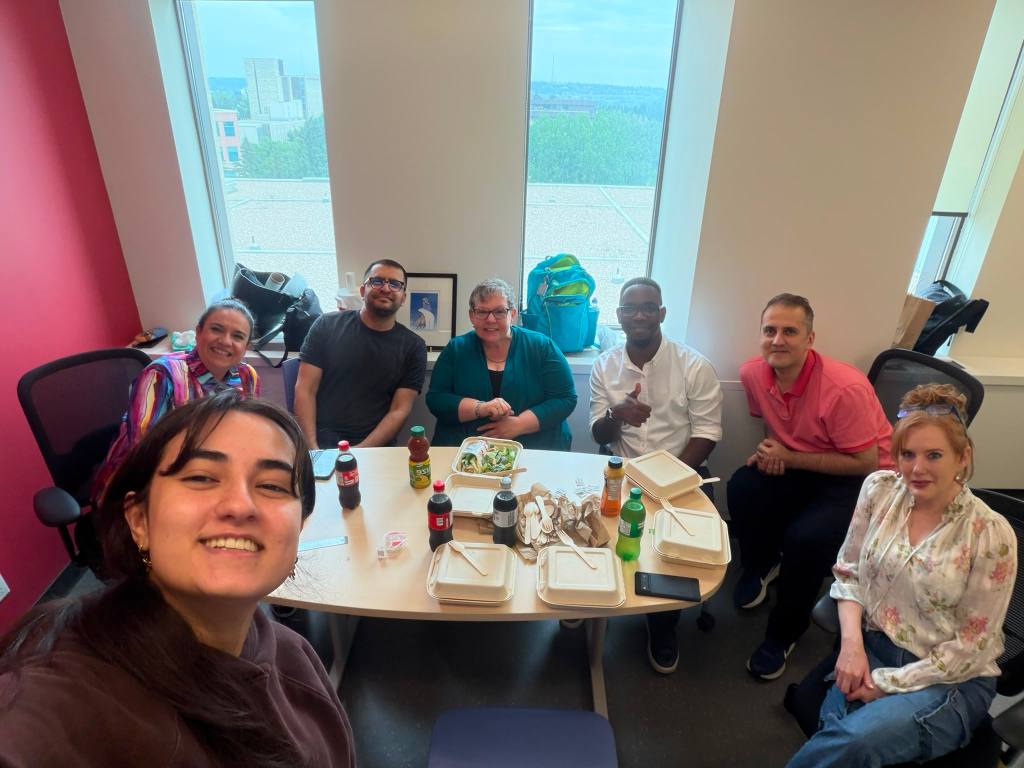
Undergraduate Science Students’ Perspectives on Inclusive and Ethical Generative AI in University Assessment
by Sarah Khalifa and Sarah Elaine Eaton Introduction In this blog post we report on a student-led project funded by the University of Calgary’s UREX Summer program, formerly known as the Program for Undergraduate Research Experience (PURE). Sarah Khalifa, a fourth-year Science undergraduate student, conducted the research supervised by Dr. Eaton. Generative artificial intelligence (GenAI) is…
-

Teacher-Free AI School to Open in Chicago
The launch of an AI-driven, teacher-light school in Chicago reflects a shift towards personalized education using technology. While AI can enhance learning outcomes and access, it raises concerns about the human aspects of teaching, equity, and the development of critical thinking. Balancing AI’s potential benefits with these challenges is essential for meaningful education.
-
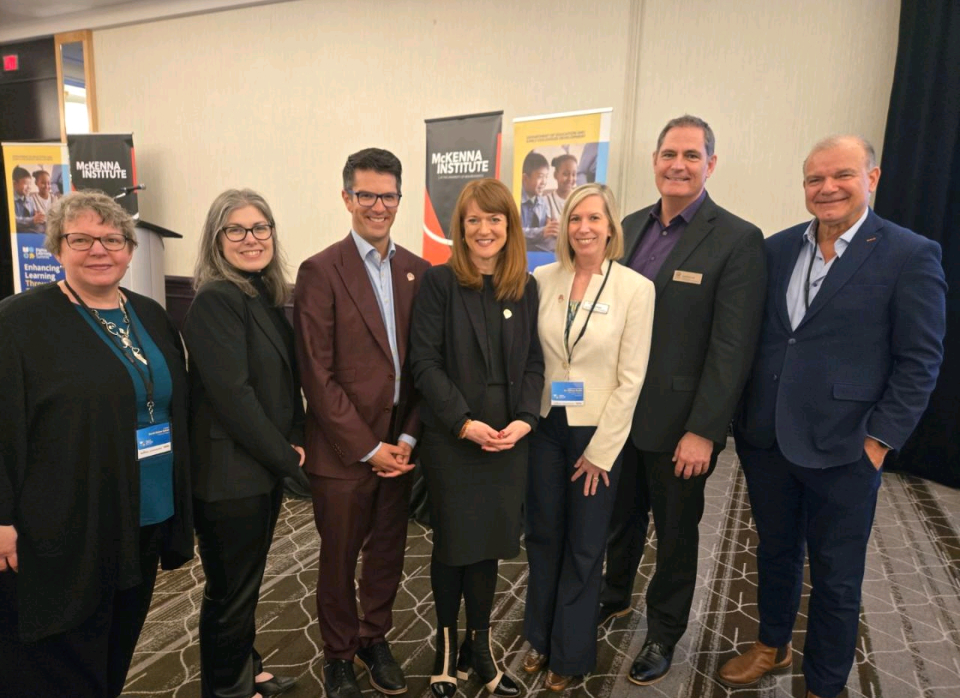
AI, Postplagiarism and K-12 Education in New Brunswick, Canada
Sarah Elaine Eaton participated in leadership events in New Brunswick focused on integrating artificial intelligence in education. She delivered a workshop and keynote on academic integrity and postplagiarism, emphasizing their relevance to provincial strategies. New Brunswick aims to incorporate AI into K-12 curricula by September 2026, enhancing AI literacy across the education sector.
-
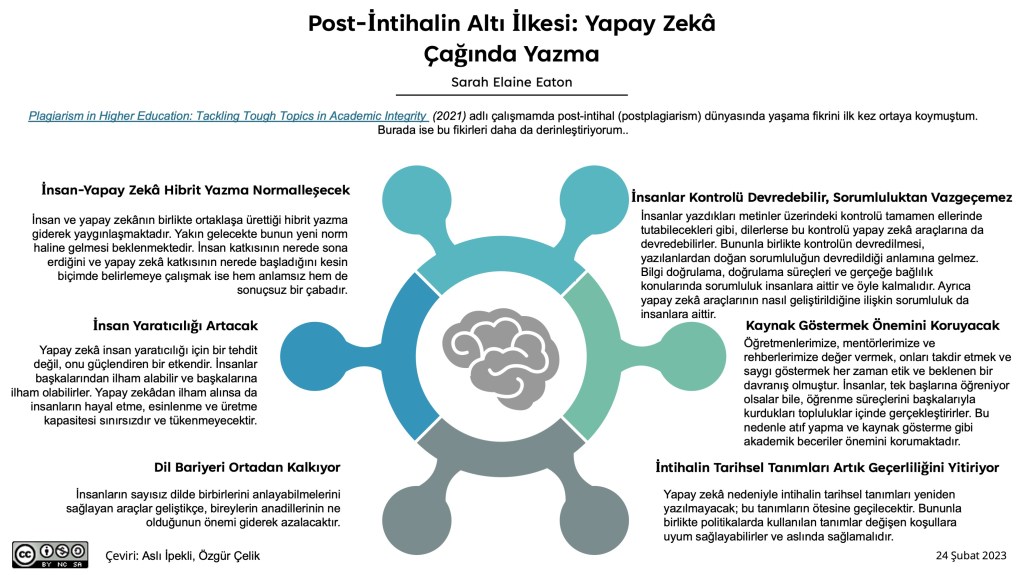
Turkish Translation of the Six Tenets of Postplagiarism
Sarah Elaine Eaton discusses the successful translation of her postplagiarism concepts into Turkish by scholars Aslı İpekli and Özgür Çelik. Their expertise in academic integrity and multilingual contexts enhances the accessibility of the six tenets, promoting dialogue among educators and students. The translated infographic is available as a free downloadable digital resource.
-

Research Integrity Oversight in Canada: A Postplagiarism Perspective
The Canadian Panel on Responsible Conduct of Research is proposing significant changes to research integrity policies, including eliminating the statute of limitations on misconduct allegations and holding institutions accountable for past actions. These reforms aim to enhance oversight and accountability in research, urging public feedback by April 17, 2026.
-
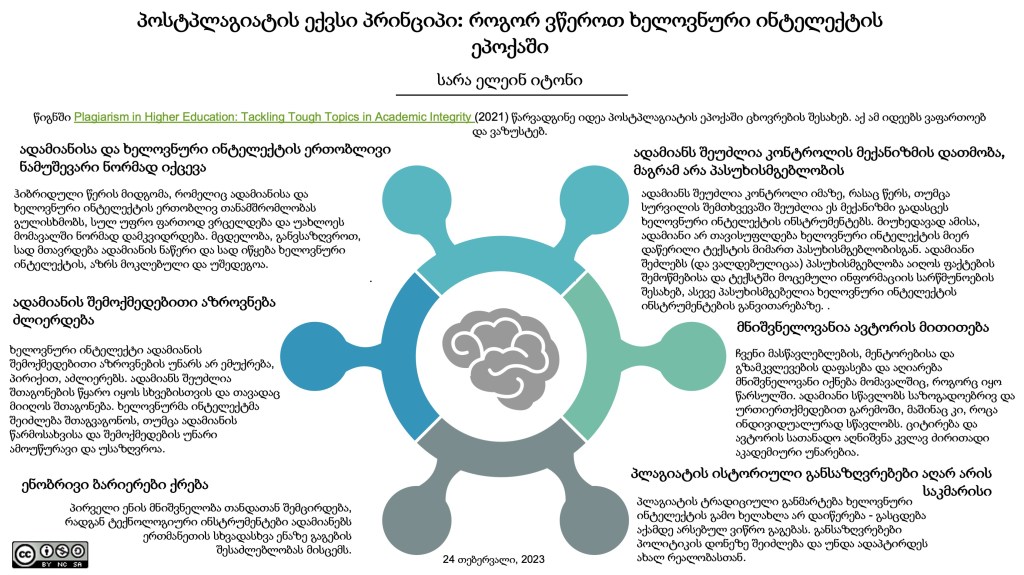
Georgian Translation of the Six Tenets of Postplagiarism Now Available
The Postplagiarism Research Lab has released a Georgian translation of the Six Tenets of Postplagiarism infographic, enhancing educational access in Georgia and beyond. This framework addresses issues in writing with artificial intelligence, emphasizing creativity, accountability, and the evolving definitions of plagiarism. The translation was done by Dr. Giga Khositashvili, an expert in academic integrity.
-

The SETA Framework: Rethinking Academic Integrity in the Postplagiarism Era
On March 4, 2026, Dr. Ruth Baker-Gardner discussed the SETA Framework for academic integrity in a world influenced by AI at the Postplagiarism Speaker Series. She emphasized that education, rather than punishment, fosters integrity and outlined support, education, teaching, and assessment as key framework elements. Institutions must adapt policies to ensure effective learning and ethical…
-

Postplagiarism Perspectives: Comparative Insights from K-12 and Postsecondary Research
The integration of Generative AI in education creates a significant shift in teaching and assessment methods. Research highlights challenges in K–12 and professional education regarding ethical AI use and institutional policies. Bridging the gap between traditional curricula and evolving competencies is crucial for fostering accountability and integrity in AI engagement among students and educators.
-

From Courtrooms to Classrooms: Smart Glasses and Integrity in a Postplagiarism Era
A London judge ruled that a witness was coached via smart glasses during a trial, raising concerns about the integrity of courtroom procedures. The incident highlights the need for institutions to adapt to wearable technology, emphasizing the importance of developing protocols for its use rather than outright bans.
-
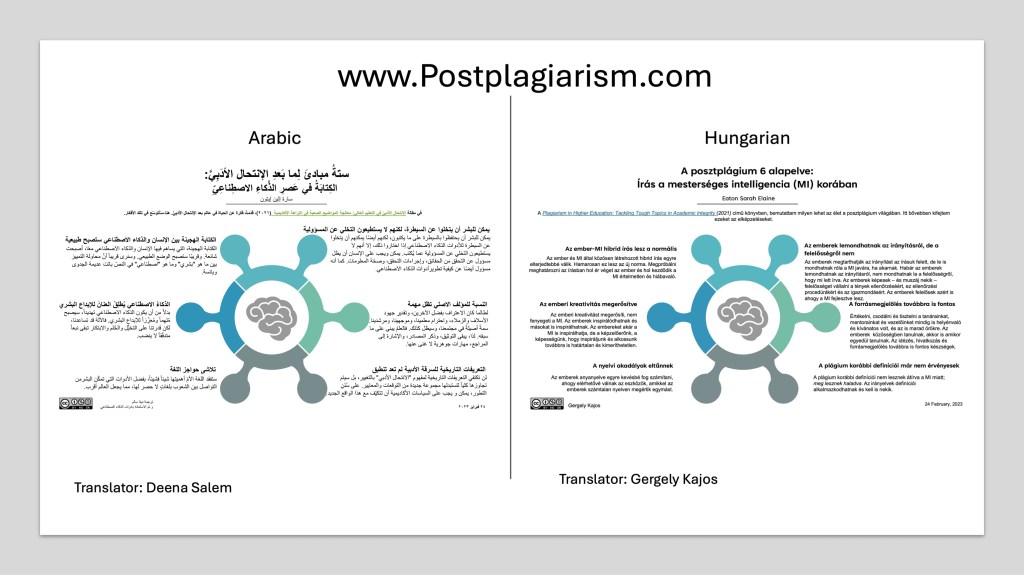
Postplagiarism Infographic Now Available in Arabic and Hungarian
We are delighted to share two new translations of the postplagiarism infographic. Many thanks to Dr. Deena Salem, Interim Director of the Centre for Teaching and Learning at the University of Regina for translating the infographic into Arabic. We are also grateful to Gergely Kajos, University of Leeds, for his translation of the infographic into…
 Postplagiarism