
Tag: writing
-
Undergraduate Science Students’ Perspectives on Inclusive and Ethical Generative AI in University Assessment
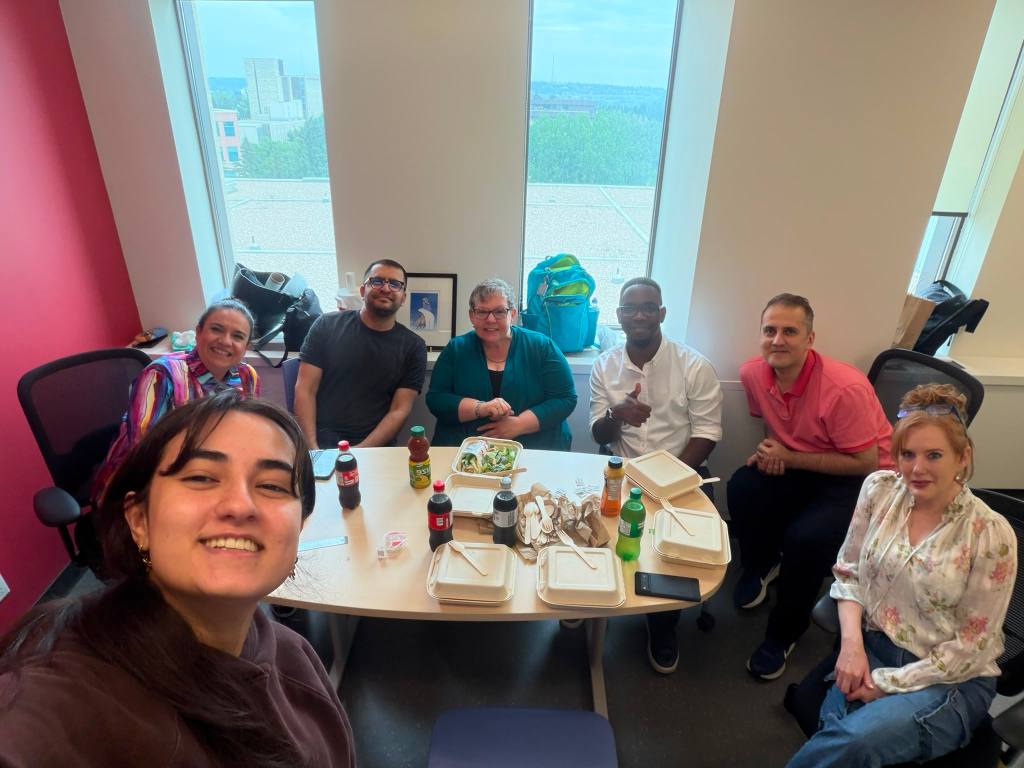
by Sarah Khalifa and Sarah Elaine Eaton Introduction In this blog post we report on a student-led project funded by the University of Calgary’s UREX Summer program, formerly known as the Program for Undergraduate Research Experience (PURE). Sarah Khalifa, a fourth-year Science undergraduate student, conducted the research supervised by Dr. Eaton. Generative artificial intelligence (GenAI) is…
-

Postplagiarism, Now Available in Prescription Strength
Weaver Shaw describes her experience using AI-enabled glasses that provide real-time translation and other functionalities, which challenge traditional boundaries of communication and responsibility. This new technology facilitates multilingual interactions but raises ethical questions about privacy, oversight, and authorship in educational contexts, emphasizing the need for an evolved understanding of engagement and creativity in a technology-driven…
-

A Week at the Postplagiarism Research Lab: International Connections and New Ideas
In July, the Postplagiarism Research Lab at the University of Calgary welcomed researchers from various backgrounds. Colombian doctoral student Paola Sáenz reflected on her enriching visit, where she received valuable feedback on her research and engaged in meaningful discussions with lab members. The experience highlighted the importance of international collaboration in academia.
-
Postplagiarism Research Lab Member Iryna Pavlova Discusses AI and Academic Integrity on The Mike Smyth Show
Artificial intelligence (AI) continues to reshape higher education, raising new questions about academic integrity, assessment, and student learning. These issues were the focus of a recent episode of The Mike Smyth Show, where Postplagiarism Research Lab member Iryna Pavlova, a doctoral student specializing in academic integrity and AI, shared her perspectives on the evolving role of AI…
-
As the Final Whistle Blows
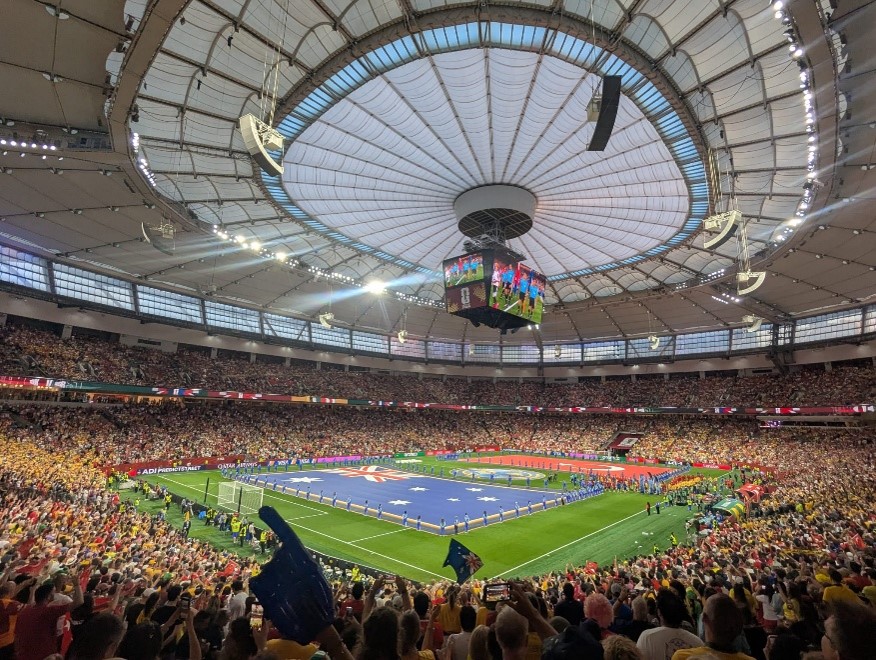
As the FIFA World Cup concludes, technology’s integration into football is evident, with tools like VAR enhancing officiating. Fuat Ramazanov’s concept of “postplagiarism” emphasizes the collaboration between human judgment and technology across various fields. It advocates for responsible use of AI, asserting that humans remain accountable, even with advanced tech assistance.
-
Six Practical Tips for Translating the Postplagiarism Infographic
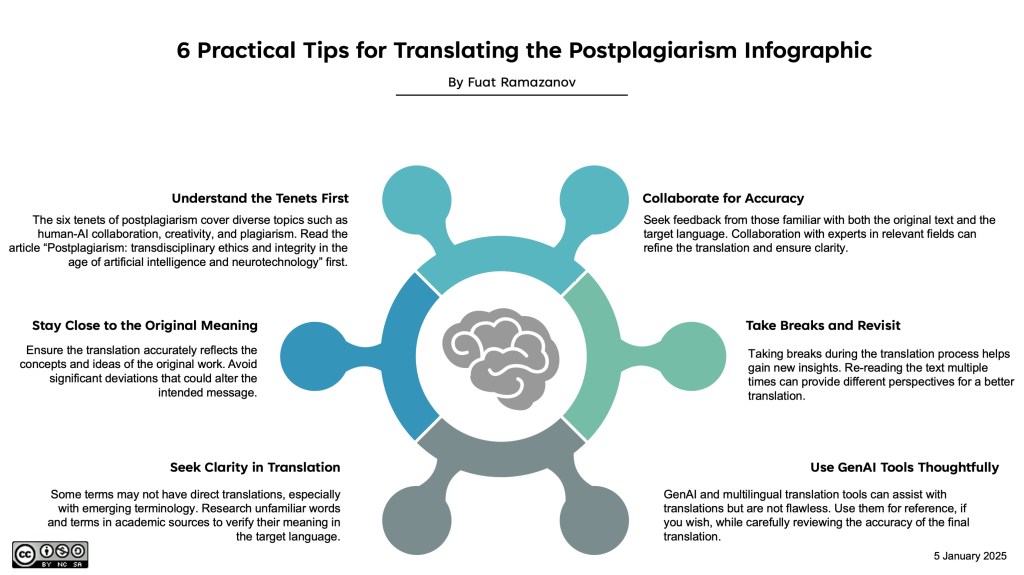
In this post, Fuat Ramazanov offers his tips for translating the postplagiarism infographic. by Fuat Ramazanov I recently worked on translating an infographic titled “6 Tenets of Postplagiarism: Writing in the Age of Artificial Intelligence”, created by Dr. Sarah Elaine Eaton. Because I do not often translate academic work, I chose to document my approach…
-

Postplagiarism Fundamentals: Integrity and Ethics in the Age of GenAI
Dr. Sarah Elaine Eaton’s presentation on postplagiarism introduces a framework for understanding integrity and ethics amidst generative AI advancements. She outlines six tenets highlighting the importance of responsibility in writing, the role of attribution, and shifts in educational practices. The concept promotes teaching over policing in academic integrity, gaining global recognition.
-

A Brief History of Postplagiarism: Or, Why Fabrication is Not the New Flattery
In this post I share how I discovered a peer-reviewed article on postplagiarism that includes fake references, including attributed work that I never wrote. I summarize legitimate contributions to the postplagiarism discourse, emphasizing the importance of responsibility in written work, and highlight our website offering free resources.
-

Redefining Plagiarism in the Age of AI
The online presentation “Redefining Plagiarism” discussed the evolving concept of plagiarism in light of technological advancements, particularly Generative AI. As AI blurs the lines of originality and intellectual ownership, definitions of plagiarism must adapt. It emphasizes the need for quality-focused evaluation and maintains the importance of human accountability in creative work.

