

by Paola Sáenz
In this post, Universitat Oberta de Catalunya PhD candidate in Education and ICT (e-Learning) Paola Sáenz, reflects on recent postplagiarism speaker series entitled “From Policy to Practice: A Postplagiarism Readiness Framework for AI Integration in Higher Education” facilitated by Dr. Beatriz Moya Figueroa, Assistant Professor at the Institute of Applied Ethics (Instituto de Éticas Aplicadas) at the Pontificia Universidad Católica de Chile.
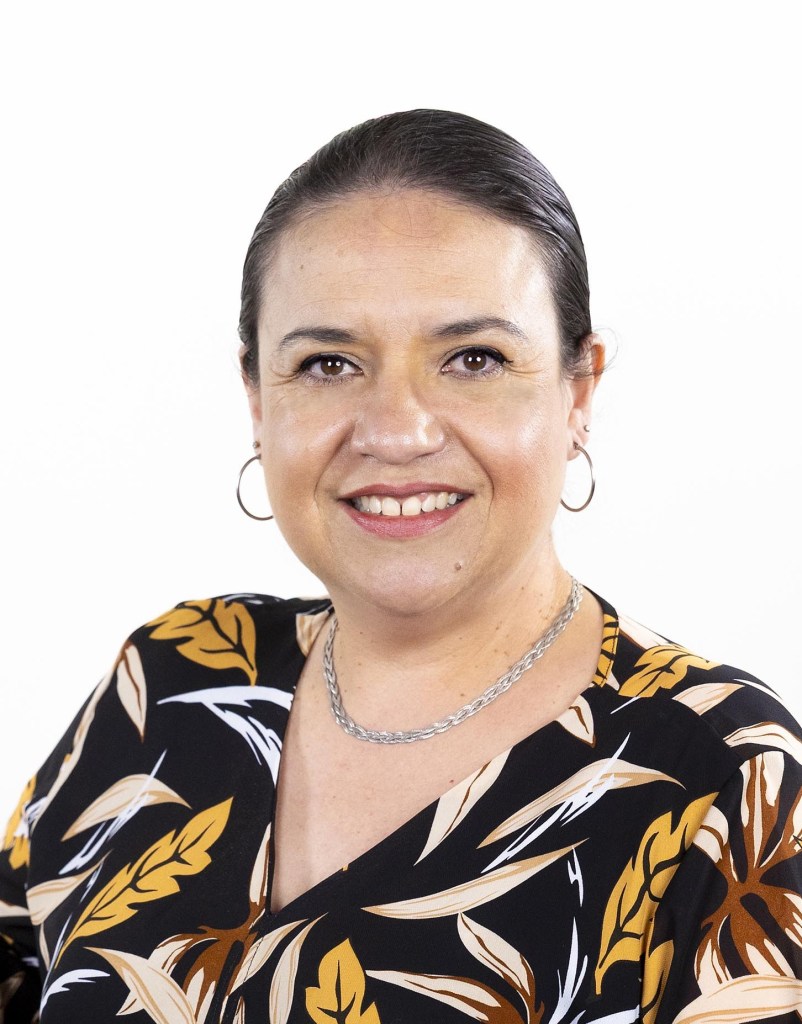
In this session, a readiness framework based on the six postplagiarism tenets was presented, designed to critically evaluate institutional policies that guide faculty in the use of generative artificial intelligence.
Dr. Moya framed her presentation within the revolutionary context that GenAI has created in research on academic integrity in higher education and proposed approaching educational policy from a social justice–centered perspective (Ozga, 2000). This approach emerges from processes of contestation and negotiation that strengthen social practice, challenge inequalities, and contribute to both individual and collective well-being, adopting a committed stance in favour of change.
Dr. Beatriz Moya is a member of ENAI, Red-IA, and the Postplagiarism Lab.
Rethinking Originality in Human–AI Collaboration
Currently, artificial intelligence is part of how we teach, learn, and interact (Eaton, 2023). However, the lack of recognition of GenAI in academia has generated informal workflows and an interpretation of originality that underestimates human–machine collaboration. This limits its potential as an equity tool and, together with the confusion between technological assistance and personal agency, fosters an opaque approach to content generation. Insufficient dissemination and traditional definitions of plagiarism also erode the academic record and maintain an adversarial climate, reinforcing the need to rethink institutional practices.
Rethinking Policy Design for GenAI and Integrity
To address these challenges in the design and development of policies concerning academic integrity and GenAI in higher education, Dr. Beatriz proposed using the six principles of the post-plagiarism framework as a reference (Eaton, 2025). She argued that regulation of GenAI in education should focus on fostering student autonomy, recognizing originality as the product of collaboration between human creativity and algorithmic capability, and promoting AI as a tool for equity. Furthermore, human responsibility should remain an unnegotiable principle, alongside the long-term reliability of knowledge based on clear attribution practices. A robust pedagogical approach not only prevents plagiarism but also promotes cognitive engagement and deep learning among students.
Learner Autonomy in Ethical Human–AI Learning
This session emphasized that learner autonomy is built on foundational skills such as academic and digital literacy, critical thinking, and content knowledge. From this basis, curiosity and discovery can drive creative processes in which GenAI functions as a tool. Its value as an instrument for equity was highlighted, alongside the need to avoid excessive dependence through greater awareness of cognitive adaptation. Additionally, the importance of empowering students to acknowledge both human and non-human authorship and to engage in discussions on academic integrity and the ethical use of GenAI was underscored.
References
Eaton, S. E. (2023). Postplagiarism: transdisciplinary ethics and integrity in the age of artificial intelligence and neurotechnology. International Journal for Educational Integrity, 19, Article 23. https://doi.org/10.1007/s40979-023-00144-1
Ozga, J. (2000). Policy research in educational settings: Contested terrain. Open University Press.
Share this post: Beyond Writing: GenAI, Social Justice, and University Policy Design: Rethinking Academic Integrity through the Post-Plagiarism Framework – https://postplagiarism.com/2026/02/06/genai-social-justice-and-university-policy-design-rethinking-academic-integrity-through-the-post-plagiarism-framework/
____________________________
Paola Sáenz-Castro is trained in Psychopedagogy and Evaluation in Colombia, and is a PhD candidate in Education and ICT (e-Learning) at the Universitat Oberta de Catalunya. Her research focuses on the construction of meaning around academic integrity in higher education and on the recognition of learning diversity. She is a member of the Postplagiarism Research Lab.
 Postplagiarism
Leave a comment